
ERAWS Welfare · care in action
Welfare that helps every life flourish.
ERAWS welfare work protects people in vulnerable circumstances while building the conditions for health, belonging, education and self-reliance. The goal is not dependency—it is dignity with a future.
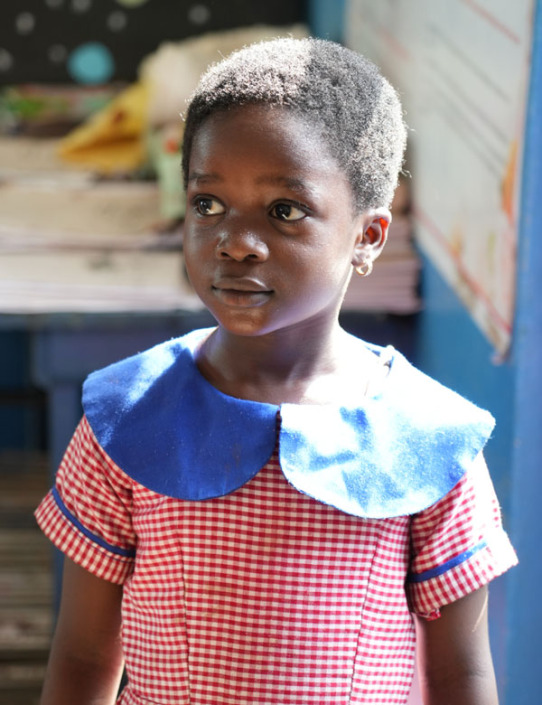
· Dignity ·
Agency
Protect ✦ Nurture ✦ Include ✦ Empower ✦ Flourish
01 The meaning of welfare
Care is complete when dignity has room to grow.
Self-realisation
& service
Ánanda Márga describes personal development and service to humanity as twin objectives—inner growth expressed through practical care for others.
Welfare in the Ánanda Márga tradition is organised compassion. It begins by securing the essentials of life—food, shelter, health care, clothing, education and protection—because no one can unfold their potential while basic needs remain unsafe.
But assistance is only the beginning. Lasting welfare strengthens belonging, participation and the capacity to choose one’s own future. People are approached as capable members of one human family—not reduced to the difficulty they face.
02 Whole-life welfare
Protection. Belonging.
Possibility.
01
Protect
Safety comes first.
Safe homes, food, health care and attentive safeguarding create the stability from which recovery and development can begin.
02
Nurture
Every person needs belonging.
Loving relationships, education, play, emotional support and respect help children and adults rediscover trust and confidence.
03
Empower
Care should expand choice.
Skills, livelihoods, leadership and local organisation turn support into the power to participate and shape the future.
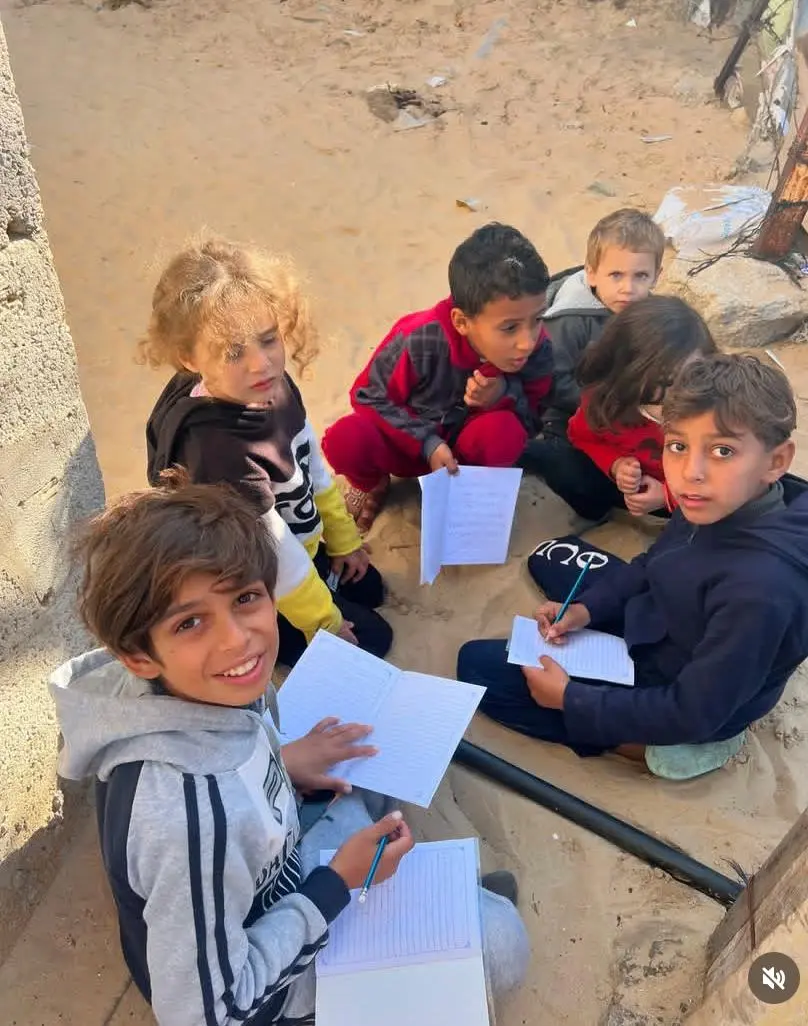
gaza · Children’s care and belonging
03 Children & safe homes
Children need more than shelter. They need a place to belong.
| 01 |
Protection with warmth A safe home combines attentive safeguarding with affection, routine and the experience of being known. |
| 02 |
Education and joyful development Learning, play, creativity, nutrition and health care support the physical, mental and emotional growth of each child. |
| 03 |
Family and community ties Wherever it is safe and possible, programmes maintain meaningful relationships with family and community. |
| 04 |
A path to independence Further education, technical training and professional support help young people enter adulthood with confidence and choice. |
04 Health & human care
Health protects every other possibility.
ERAWS and its service organisations connect personal care with public health: medical camps, clinics, maternal and newborn services, nutrition, health education and community-based support. Prevention and local capacity matter as much as treatment.
| 01 |
Maternal and newborn care Prenatal services, skilled birth support, home visits and emergency referral protect mothers and babies. |
| 02 |
Community health access Clinics, outreach and medical camps bring useful care closer to underserved communities. |
| 03 |
Nutrition and health knowledge Screening, therapeutic nutrition and locally relevant education help families prevent avoidable illness. |
| 04 |
Care across the life course Children, older people and people with disabilities receive support shaped around their actual needs and agency. |
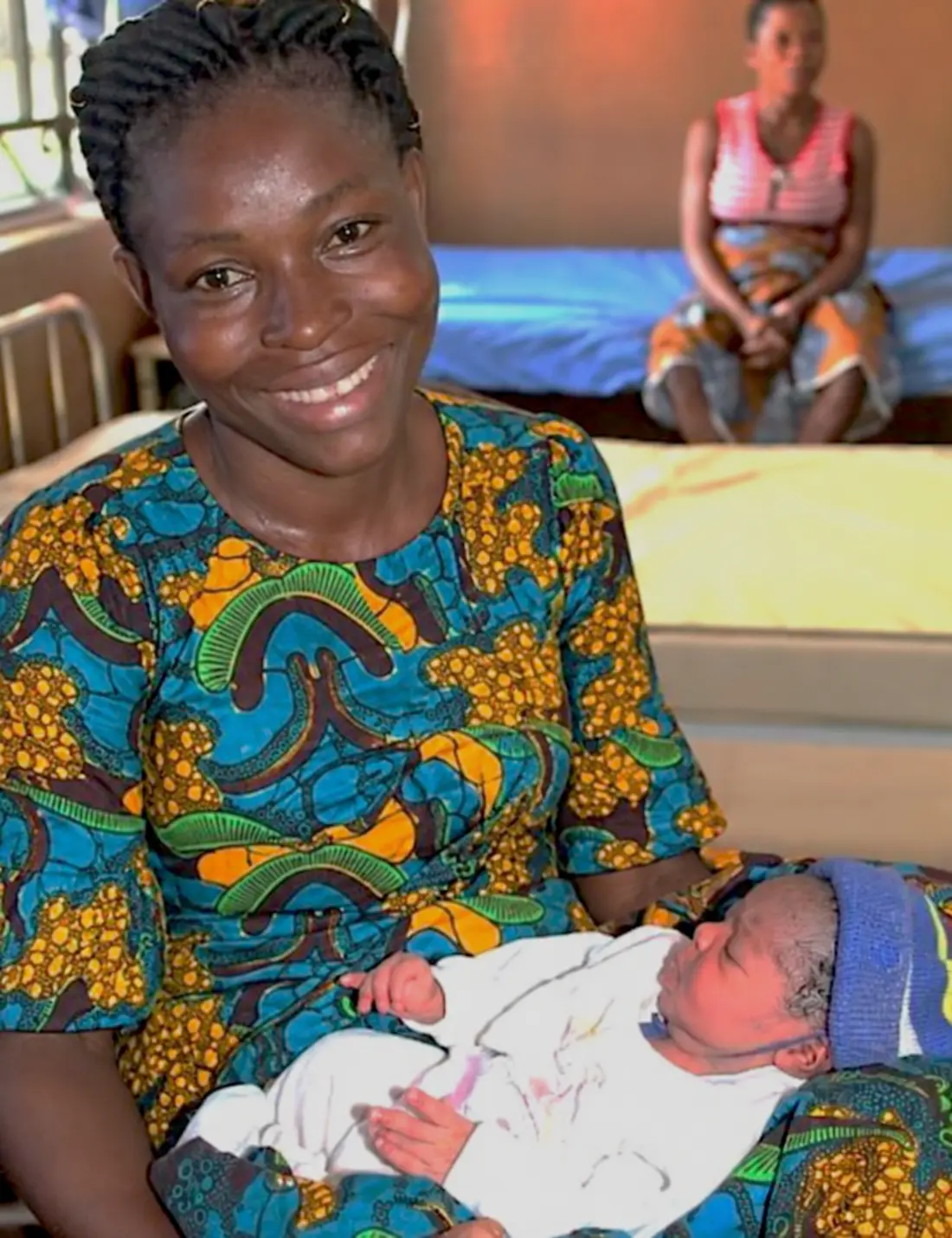
AMURTEL Nigeria · Maternal and newborn health
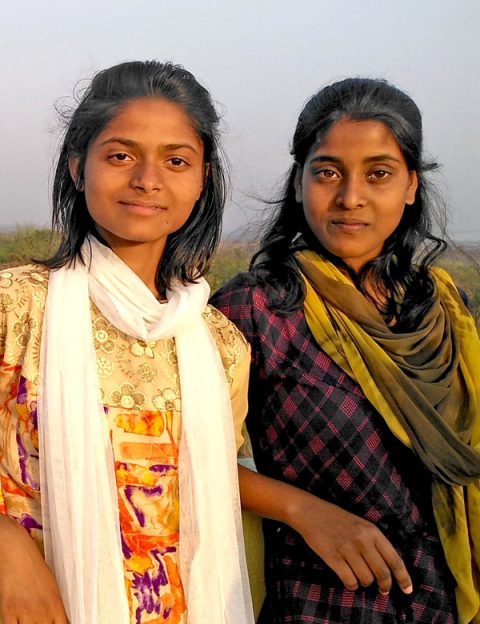
AMURTEL India · Education, health and opportunity
05 Women-led welfare
When women shape welfare, whole communities grow stronger.
AMURTEL was founded in 1975 to respond especially to the realities faced by women and children. Its women-managed programmes join immediate care with long-term social and economic strength.
| 01 |
Education and safe opportunity Schools, homes, hostels and vocational learning widen the choices available to girls and young women. |
| 02 |
Health and confident leadership Health knowledge, maternal care and leadership roles place women at the centre of community wellbeing. |
| 03 |
Livelihoods and cooperation Skills training, self-help groups and cooperative finance support income, solidarity and self-direction. |
06 A wider circle of belonging
No life is peripheral to the human family.
◷
Older persons
Companionship, secure living and practical care should preserve connection, autonomy and respect throughout later life.
◎
People with disabilities
Accessible education, care and participation focus on capability and remove barriers that limit full community life.
◇
Underserved communities
Programmes begin with local culture, language and priorities, including rural, Indigenous and historically marginalised communities.
⌂
Families & caregivers
Support is strongest when it reinforces the relationships and local networks that already sustain everyday life.
07 Community is the method
People are partners in welfare—not its passive recipients.
No ready-made programme fits every place. Effective welfare grows through listening, cooperation and the resources already present in a community.
| 01 |
Listen before acting Residents identify priorities, strengths and barriers in their own words. |
| 02 |
Design with local knowledge Programmes respect language, customs, beliefs and the social reality of each place. |
| 03 |
Build practical capacity Training, health knowledge, livelihoods and local leadership turn resources into lasting ability. |
| 04 |
Share responsibility Volunteers, families, local organisations and wider partners create a dependable network of care. |
08 Principles in action
Five commitments behind humane welfare.
The method matters: good intentions must become care that protects dignity, participation and the full development of human potential.
| 01 |
Basic necessities are human rights Food, clothing, shelter, health care and education are the foundation from which every person can develop. |
| 02 |
Human dignity is indivisible Respect and compassionate care belong to every person, beyond race, creed, gender, colour or social status. |
| 03 |
Participation replaces dependency People help define the programme, develop their own capacities and gain greater control over their future. |
| 04 |
Women’s leadership strengthens all Harmonious social development requires women’s full participation, safety and economic strength. |
| 05 |
Development must remain balanced Human needs, natural resources, rural and urban life, and present and future wellbeing must be held in responsible balance. |
09 A long tradition of service
Care organised around the realities of life.
01
Safe homes & learning
ERAWS historically established children’s homes and educational settings where care, learning and development could continue together.
02
Health & maternity
Medical camps, clinics, hospitals and prenatal and postnatal care brought practical health services to people with limited access.
03
Inclusive support
Programmes supported visually impaired people, people with disabilities and others facing social or physical barriers.
04
Older & underserved people
Elder care and initiatives with rural, tribal and marginalised communities widened the circle of organised social service.
10 Care that continues
Help care become
capacity and hope.
Connect with ERAWS or explore AMURTEL’s current work with children, women, families and communities around the world.